


Line vs Substantive vs Developmental
Serious research deserves serious editing. Yet many manuscripts get rejected not for weak data, but for weak presentation. If you don’t understand the types of editing in research papers, you’re essentially submitting a draft instead of a publication-ready study. Journals won’t fix your paper. That’s your job — or your editor’s.
Three editing levels dominate scholarly publishing: developmental editing, substantive editing, and line editing. They are not interchangeable. They operate at different depths, solve different problems, and influence acceptance rates in very different ways.
This is the clarity most researchers never receive — and why many keep revising blindly.
Developmental Editing: Fixing the Research Narrative
Developmental editing is the deepest intervention. It examines whether the paper works as a scientific argument, not just as text.
A developmental editor asks:
- Does the research question actually matter?
- Is the methodology logically aligned with the objectives?
- Are results interpreted responsibly?
- Does the discussion overclaim?
If your introduction promises one thing but your data answers another, no amount of grammar polishing will save you.
Organizations like World Health Organization emphasize transparent reporting standards because poorly structured research misleads clinical decision-making. Weak framing can distort evidence even when data are sound.
Developmental editing often reshapes:
- Study positioning within existing literature
- Logical flow of sections
- Argument strength
- Ethical framing
- Compliance with reporting guidelines
For example, if you’re writing about global developmental delay, a developmental editor ensures the paper connects clinical findings to public-health implications, not just isolated statistics. Without this layer, your study reads like data without meaning.
Many authors skip this stage because it feels uncomfortable. It exposes conceptual flaws — not just stylistic ones.
But this is the stage that determines whether a paper has impact or just existence.
Developmental editing also checks whether elements like the research paper title page accurately reflect the study scope. A misleading title is a credibility risk, not a cosmetic issue.
Substantive Editing: Strengthening Clarity and Logic

If developmental editing fixes the architecture, substantive editing fixes the engineering.
This stage improves:
- Logical transitions
- Paragraph cohesion
- Terminology consistency
- Redundancy removal
- Clarity of explanations
Substantive editors ensure your argument flows instead of jumping unpredictably between ideas — a common reason reviewers label papers “hard to follow.”
According to guidance summarized on American Psychological Association standards, clarity and precision are core to scientific credibility, not stylistic luxuries.
Substantive editing is especially critical for authors writing in a second language or translating work into English. It prevents misinterpretation of methods or findings.
This stage often involves:
- Rewriting confusing sentences
- Reordering paragraphs
- Clarifying statistical explanations
- Aligning tables with narrative claims
Researchers who try to edit PDF proofs themselves often attempt substantive fixes too late, when journals expect only minor corrections. That’s a strategic mistake.
(Substantive clarity principles reference: APA style)
Substantive editing also ensures compliance with business description editing guidelines when research intersects with industry collaboration, preventing promotional tone from contaminating academic neutrality.
Line Editing: Precision at the Sentence Level
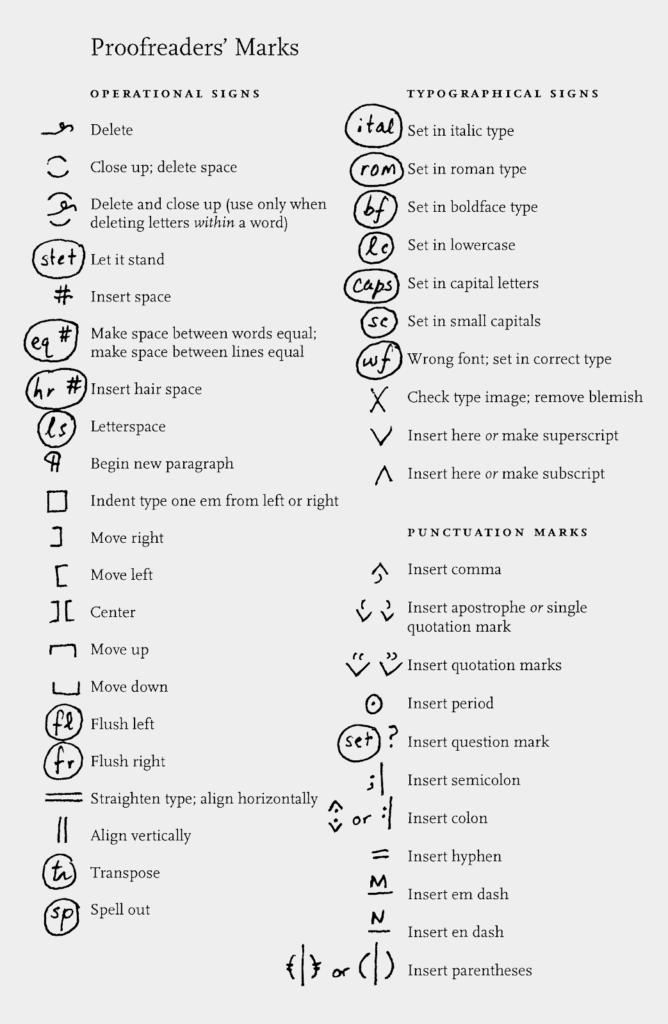
Line editing is what most researchers think editing is — but it’s actually the final layer.
It focuses on:
- Grammar
- Syntax
- Tone
- Word choice
- Readability
A line editor makes your paper sound like it belongs in a journal instead of a lab notebook.
This stage ensures your writing meets expectations of major databases like National Institutes of Health archives, where clarity affects accessibility and citation potential.
Line editing is where awkward phrasing, repetition, and clunky transitions disappear. It’s also where your paper stops sounding like a thesis draft and starts sounding like a published article.
Crucially, line editing preserves meaning while improving expression — not rewriting your science.
This stage often overlaps with technical tasks like save file editing during final revisions, ensuring tracked changes are properly integrated before submission.
Why Confusing These Types Causes Rejection
Most rejected manuscripts suffer from editing-stage mismatch.
Authors apply line editing when they needed developmental editing. Or they request substantive editing after reviewers already identified structural flaws.
Peer reviewers are not your editors. They flag problems; they don’t repair them.
A study overview summarized on Wikipedia notes that editorial quality strongly influences publication success across disciplines, especially in competitive journals.
When journals return “major revisions,” they are effectively telling you the manuscript needed deeper editing before submission.
(Wikipedia overview of academic publishing processes)
How to Choose the Right Editing Level
Ask yourself three diagnostic questions:
1. Is the research argument solid?
If uncertain → Developmental editing.
2. Is the argument clear but messy?
If yes → Substantive editing.
3. Is the content strong but writing rough?
If yes → Line editing.
If you’re unsure, you probably need the deepest level first. Editing works from macro to micro — never the reverse.
This is why professional services often evaluate manuscripts before recommending a package.
For example, guidance available through our proofreading services
helps authors determine whether structural or linguistic intervention is required before submission.
Similarly, resources The Last Step to Journal Acceptance is Editing and Proofreading
outline how editing depth affects acceptance probability.
Authors preparing resubmissions after peer review often benefit from targeted revisions rather than repeating superficial proofreading.
Even tasks like preparing the experience edition of a thesis for journal conversion require developmental attention before stylistic polishing.
And for early-career researchers, tutorials in our blogging section.
explain how editing integrates into the publication workflow — not just the final step.
The Strategic Editing Order That Works
High-impact papers follow this sequence:
- Developmental editing
- Substantive editing
- Line editing
- Proofreading
Skipping steps is like polishing a flawed experiment.
Professional editors follow this hierarchy because each layer depends on the previous one. Changing structure after line editing wastes time and money — and introduces new errors.
The Bottom Line
Editing is not cosmetic. It’s methodological.
Understanding the types of editing in research papers transforms editing from a last-minute task into a publication strategy.
Developmental editing determines whether your research matters.
Substantive editing determines whether your argument makes sense.
Line editing determines whether your paper sounds publishable.
If your goal is acceptance — not just submission — you need the right level at the right time.
Most researchers learn this after multiple rejections. You don’t have to.