


Academic publishing is not evolving slowly—it’s being forced to adapt. And at the center of that shift is Translational Research. This isn’t just another buzzword editors throw into calls for papers. It’s now a filter. If your work doesn’t move knowledge from theory to patient-level impact, many journals simply aren’t interested.
The reality is blunt: basic science alone no longer guarantees visibility. Journals are prioritizing outcomes, applicability, and real-world relevance. That’s why clinical translational research is dominating editorial priorities across disciplines—from oncology to public health.
Let’s break down what’s driving this shift, why it matters for your publishing strategy, and where most researchers are still getting it wrong.
The Rise of Translational Research in Academic Publishing
At its core, Translational Research is about closing the gap between lab discoveries and clinical application. It’s often described as “bench to bedside”—but modern journals expect more than a slogan.
They want:
- Proof of applicability
- Measurable outcomes
- Real-world implementation pathways
This shift is heavily influenced by funding bodies and policy organizations. Agencies like the National Institutes of Health emphasize translational pipelines, pushing journals to align editorial standards accordingly. According to NIH’s Clinical and Translational Science Awards Program, research impact is now evaluated not just by discovery, but by how efficiently it reaches patients.
That’s the standard journals are enforcing—and it’s reshaping what gets published.
Why Journals Prefer Translational Research Over Basic Science
This isn’t about devaluing basic science—it’s about prioritization.
Editors are under pressure to publish work that:
- Drives citations
- Attracts funding interest
- Influences clinical practice
And translational studies deliver on all three.
1. Immediate Relevance
Pure lab findings often sit in isolation. In contrast, work emerging from a translational research laboratory shows a clear trajectory toward patient care. That trajectory makes it more attractive for peer reviewers and editors alike.
2. Higher Citation Potential
Articles with clinical implications tend to be cited more frequently. That directly boosts a journal’s science translational research impact factor, which remains a critical performance metric in publishing.
3. Policy and Funding Alignment
Organizations like the World Health Organization emphasize evidence-based healthcare transformation. You can see this reflected in global research priorities outlined on the WHO’s research strategy page. Journals are aligning with that direction to stay relevant.
4. Reader Demand Has Changed
Clinicians, policymakers, and even patients are now part of the research audience. They don’t just want mechanisms—they want solutions. Translational research speaks their language.
Clinical vs Translational Research: Where Authors Get Confused
A major mistake researchers make is assuming that clinical vs translational research is just semantics. It’s not.
Here’s the difference:
- Clinical research focuses on studying patients, treatments, and outcomes.
- Translational research connects laboratory findings to clinical application—and often loops back to refine the science.
Think of it this way:
- Clinical research observes and tests
- Translational research connects and applies
The overlap exists, but journals expect clarity. If your manuscript claims to be translational, reviewers will look for:
- A defined pathway from lab to clinic
- Evidence of application or implementation potential
- Feedback loops that refine the original science
For a deeper conceptual breakdown, Wikipedia offers a concise overview of translational research models and phases, which many journals now implicitly follow during peer review.
The Role of Translational Research Labs in Publication Success
A translational research lab is not just a physical space—it’s a framework that integrates discovery with application.
These labs combine:
- Molecular and cellular biology
- Clinical datasets
- Biostatistics and population health
Research emerging from such environments tends to have:
- Stronger study design
- Clearer applicability
- Better funding backing
That combination makes manuscripts more competitive.
Authors working in a translational research laboratory benefit from interdisciplinary collaboration, which strengthens both methodology and narrative clarity—two factors that heavily influence editorial decisions.
But here’s the reality: you don’t need access to a high-end lab to think translationally. You need to design your study with application in mind from day one.
Impact Factor Pressure Is Driving This Shift
Let’s not pretend otherwise—impact factor still dominates editorial behavior.
Studies with translational relevance:
- Get cited faster
- Reach broader audiences
- Influence clinical guidelines
This creates a self-reinforcing cycle:
- Journals publish more translational work
- Citations increase
- Impact factor rises
- Editorial bias strengthens
This dynamic is widely discussed in publishing circles, including analyses by outlets like Nature, which highlight how citation-driven strategies are reshaping editorial priorities.
If your work doesn’t align with this ecosystem, it’s not just less competitive—it’s structurally disadvantaged.
The Dark Side: Junk Journaling and Mislabeling
As Translational Research becomes more valuable, misuse increases.
Some authors try to “rebrand” basic studies as translational without adding real-world relevance. Meanwhile, predatory journals exploit the trend by publishing low-quality work under the translational label.
This is where junk journaling becomes a serious problem.
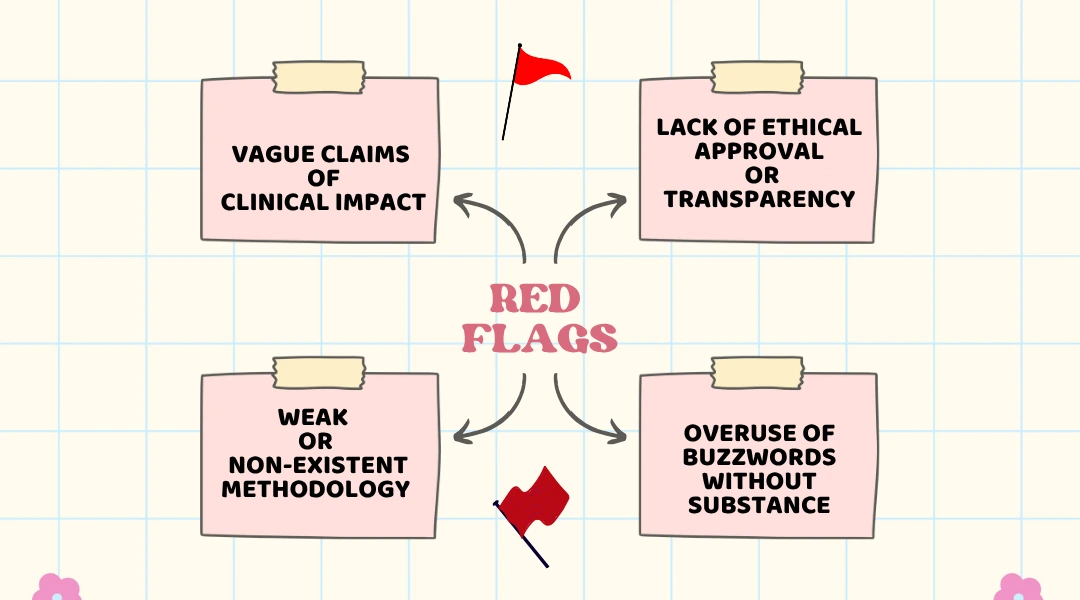
Red flags include:
- Vague claims of clinical impact without evidence
- Lack of ethical approval or transparency
- Weak or non-existent methodology
- Overuse of buzzwords without substance
The Committee on Publication Ethics outlines strict standards against such practices on COPE guidelines, emphasizing integrity, transparency, and accountability.
Editors are increasingly alert to these issues.
Mislabeling your work doesn’t just risk rejection—it can damage your academic reputation for the long term.
What Journals Actually Expect from Translational Research
If you want to publish in high-impact journals, you need to meet specific expectations.
Core requirements:
- Defined application pathway
Show how your findings move beyond theory - Methodological rigor
Weak design cannot be hidden behind a strong claim - Interdisciplinary input
Combine lab science with clinical or population insights - Ethical clarity
Full transparency in reporting and limitations - Scalability and relevance
Can your findings work outside controlled environments?
Journals are not just asking, Is this new?
They’re asking, Does this matter in practice?
To align your manuscript with these expectations, understanding structure is key. For example, this guide, How to Submit a Research Paper for Publication, emphasizes clarity and real-world framing—both essential for translational submissions.
Where Most Researchers Still Fail
Despite the clear trend, many authors are still using outdated approaches.
| Common mistakes |
| Treating translational relevance as a discussion section add-on |
| Ignoring clinical applicability during study design |
| Submitting to journals with a mismatched scope |
| Overcomplicating language instead of clarifying impact |
If your research narrative doesn’t communicate why it matters, it won’t survive peer review.
Read Language Errors in Manuscripts: How to Avoid Rejection.
How to Adapt Your Research for Modern Journals
Adapting doesn’t mean compromising your field—it means evolving your approach.
Practical steps:
- Start with an application-driven research question
- Collaborate with clinicians early in the process
- Integrate translational discussion throughout the paper—not just at the end
- Use real-world or patient-linked data where possible
- Be honest about limitations and scope
Even incremental changes can significantly improve acceptance rates.
If you need structured support, Paperedit's proofreading service can help refine your manuscript for clarity and alignment with editorial expectations.
For further support, read PaperEdit vs Other Editing Services — Honest Comparison.
You should also be strategic about where you submit. Guides like How to Find Q1 Scopus Journals (Step-by-Step Researcher Guide) can help identify journals that prioritize translational work rather than purely theoretical studies.
And if writing clarity is your bottleneck, How to Paraphrase Academic Content Properly offers practical guides to sharpen your academic content.
The Future: Translational Research Will Define Academic Relevance
This is not a temporary editorial preference—it’s a long-term structural shift.
The future of publishing is moving toward:
- Faster application cycles
- Interdisciplinary collaboration
- Measurable societal impact
Translational research sits at the intersection of all three.
Funding agencies are doubling down on impact-driven research. Journals are tightening acceptance criteria. And readers are demanding outcomes, not just theories.
If your work doesn’t align with this direction, it risks becoming academically invisible.
Final Insight: Adapt or Stay Unpublished
Here’s the reality most researchers avoid: Publishing is no longer just about discovery—it’s about relevance.
Translational Research has become the standard because it answers the only question that truly matters:
What difference does this make in the real world?
If your research can answer that clearly—and prove it—you’re aligned with where journals are heading.
If not, no amount of technical precision will compensate.
The shift is already here. The only question is whether your research strategy is keeping up or not.