


Academic success does not depend solely on research quality. It depends on how effectively that research is communicated. In modern scholarly publishing, clarity of language is not an optional skill — it is a structural expectation. This is precisely why academic proofreading services have shifted from being helpful extras to becoming essential academic tools.
Researchers invest years collecting data, conducting experiments, and developing theories. Yet, manuscripts are frequently rejected due to unclear expression rather than flawed research. Good English determines whether your work is understood, trusted, and ultimately accepted.
Good English Functions as a Publishing Gatekeeper
Journal editors and reviewers handle massive submission volumes. Their priority is evaluating originality, research validity, and impact. When a manuscript is difficult to understand, reviewers lose valuable time interpreting language instead of analyzing findings.
According to the National Institutes of Health (NIH), effective scientific communication is critical for advancing knowledge and improving public health outcomes. Research cannot create impact if it is poorly presented.
Using appropriate good English language words improves readability by:
- Strengthening logical argument flow
- Preventing data misinterpretation
- Demonstrating professional credibility
- Increasing reviewer engagement
Weak writing often creates suspicion about research rigor, even when the science itself is strong. Academic proofreading services ensure linguistic precision without altering scholarly intent.
For further understanding of the limitations of automated editing tools, see how human oversight maintains accuracy in research communication in this analysis on AI proofreading limitations at Can AI Replace Human Proofreaders?
Academic Integrity Requires Clear Language
Transparent communication is central to ethical research reporting. The World Health Organization (WHO) highlights clarity as a core requirement in global research documentation standards. Ambiguous writing can distort results, confuse methodologies, and weaken scientific transparency.
Academic manuscripts must demonstrate:
- Terminology consistency
- Logical paragraph progression
- Proper tense usage in methodology
- Structured argument presentation
Proofreading strengthens these elements while preserving the author’s voice. It is not rewriting research — it is protecting it.
Students preparing thesis submissions often underestimate how language clarity affects evaluation outcomes. Understanding submission expectations is crucial, which is why researchers frequently rely on structured guidance such as the publication preparation roadmap described here: How to Submit a Research Paper for Publication.
Universities Enforce Writing Proficiency as a Graduation Standard
Most higher education institutions integrate writing proficiency into final academic evaluation systems. The graduation writing assessment requirement ensures students demonstrate the ability to communicate research findings professionally before degree completion.
Academic discourse standards, as described in Wikipedia’s academic writing framework, emphasize structured argumentation, critical analysis, and evidence-based language presentation.
Failure to meet writing standards can lead to:
- Thesis revision demands
- Delayed degree completion
- Lower academic assessment scores
- Reduced publication opportunities
Academic proofreading services help students align their writing with institutional requirements, increasing academic success rates.
Research Workflows Depend on Linguistic Efficiency
Research publishing operates similarly to production systems. In business operations, capacity requirement planning ensures resources are aligned with output goals. When applied to academic publishing, language clarity becomes a productivity factor.
If manuscripts require extensive linguistic corrections, journals experience delays, increasing revision cycles and publication timelines.
Similarly, planned independent requirements in operational planning represent forecasted demands that guide production efficiency. In research publishing, language clarity ensures that manuscripts meet editorial expectations without unnecessary revision delays.
Researchers facing repeated revision requests often benefit from structured editorial support. A strategic approach to addressing reviewer feedback is discussed in depth within this guidance resource on revision management: How to Respond to Reviewer Comments Without Destroying Your Manuscript.
The Role of Academic Proofreading Services in Research Quality
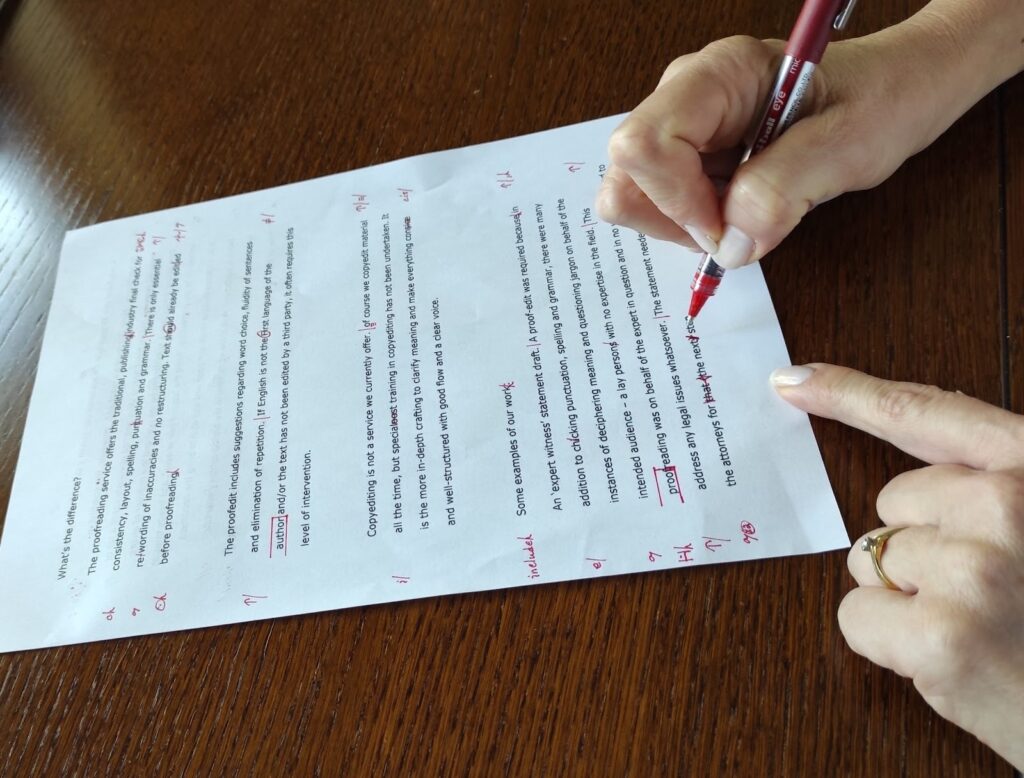
Academic proofreading strengthens research presentation by improving clarity, consistency, and readability. These services do not manipulate content or alter scientific findings. Instead, they refine linguistic structure while maintaining academic integrity.
Professional proofreading typically focuses on:
- Grammar and punctuation correction
- Sentence clarity improvement
- Formatting consistency
- Style alignment with journal guidelines
Compared to automated tools, expert editors understand disciplinary tone and contextual usage. Researchers exploring differences between AI editing and human proofreading often consult comparative editorial evaluations such as this analysis on editing effectiveness: Free AI Proofreader vs Expert Proofreaders.
Comparison: Manuscripts With and Without Professional Proofreading
| Evaluation Factor | Without Academic Proofreading Services | With Academic Proofreading Services |
| Language Clarity | Often inconsistent and difficult to follow | Clear, structured, and professional |
| Reviewer Engagement | Increased fatigue and misinterpretation risk | Improved readability and comprehension |
| Publication Success | Higher rejection or revision rates | Greater acceptance probability |
| Academic Integrity | Risk of ambiguous reporting | Transparent and accurate communication |
| Graduation Writing Assessment Requirement | Greater risk of failure or delay | Higher likelihood of approval |
| Research Workflow Efficiency | Extended revision cycles | Faster editorial approval process |
This comparison highlights how proofreading contributes directly to academic outcomes rather than simply enhancing writing style.
Global Research Visibility Depends on Language Quality
English dominates scholarly publishing worldwide. Researchers working in multilingual environments often struggle to match journal language expectations despite producing valuable research.
Reports published by reveal that many high-quality studies from non-English-speaking researchers face rejection primarily due to linguistic challenges rather than scientific shortcomings.
Academic proofreading services help bridge this communication gap by:
- Aligning manuscripts with international journal standards
- Enhancing readability for global audiences
- Maintaining author authenticity while improving clarity
- Supporting interdisciplinary collaboration
Strong English communication ensures research reaches broader audiences and receives fair academic evaluation.
The Hidden Risk of “Nearly Good” English
Manuscripts that appear understandable but contain subtle grammatical inconsistencies often face silent rejection during editorial screening. Journals conduct rapid initial evaluations, and unclear abstracts frequently result in immediate dismissal.
Common linguistic issues that undermine manuscript quality include:
- Run-on sentence structures
- Incorrect article placement
- Weak paragraph transitions
- Mixed verb tense usage
- Redundant phrasing
Clarity in grant writing is highly stressed because reviewers must quickly interpret complex proposals. The same principle applies to journal publishing — clarity directly influences decision-making.
Academic proofreading services eliminate these hidden risks by ensuring manuscripts meet professional communication standards.
Proofreading Supports Ethical Editing Standards

Academic proofreading is distinct from content rewriting or ghostwriting. Ethical editorial services focus strictly on language refinement while preserving research authenticity.
Proofreading services do not:
- Alter experimental data
- Change research conclusions
- Modify scholarly arguments
- Introduce unauthorized interpretations
They provide structural and linguistic precision that enhances credibility and transparency. Researchers managing peer-review revisions frequently benefit from professional editorial guidance.
Why Academic Proofreading Services Are Now Essential
Academic publishing competition continues to intensify. Journals receive increasing submission volumes, and editorial standards are becoming more selective. Universities are also strengthening graduation writing benchmarks.
This evolving academic environment means researchers must demonstrate:
- Clear scientific communication
- Linguistic accuracy
- Professional manuscript presentation
- Compliance with editorial standards
Submitting manuscripts with unresolved language issues risks rejection regardless of research quality.
Academic proofreading services provide strategic academic support that improves research visibility, accelerates publication timelines, and strengthens scholarly credibility.
Final Perspective
Good English does not exist to impress readers. It exists to ensure research is understood, trusted, and valued. Academic proofreading services function as protective mechanisms that preserve research integrity and maximize scholarly impact.
Strong ideas deserve strong communication. In today’s competitive research landscape, language clarity is not an optional enhancement — it is a mandatory academic standard.