


The Research Cover Letter Balance Researchers Miss
In the high-stakes world of academic and corporate research, the research cover letter balance is a nuanced skill many candidates overlook. Crafting a cover letter that neither overwhelms nor underwhelms requires more than listing credentials—it demands strategic communication, precision, and an understanding of what hiring committees truly value. Many researchers fall into two traps: overexplaining or underselling their work. Striking the right balance is essential to maximize your chance of moving past the first review.
A cover letter is your narrative bridge. Your resume lists accomplishments ( Review our guide Research Portfolio vs CV); your cover letter explains why they matter (Learn more from How to Write a Strong Cover Letter for Journal Submission (With Examples)), how they connect to the institution’s goals, and what unique perspective you bring. Missing the mark can result in lost opportunities—even for highly qualified candidates.
Why the Research Cover Letter Matters More Than Your Resume
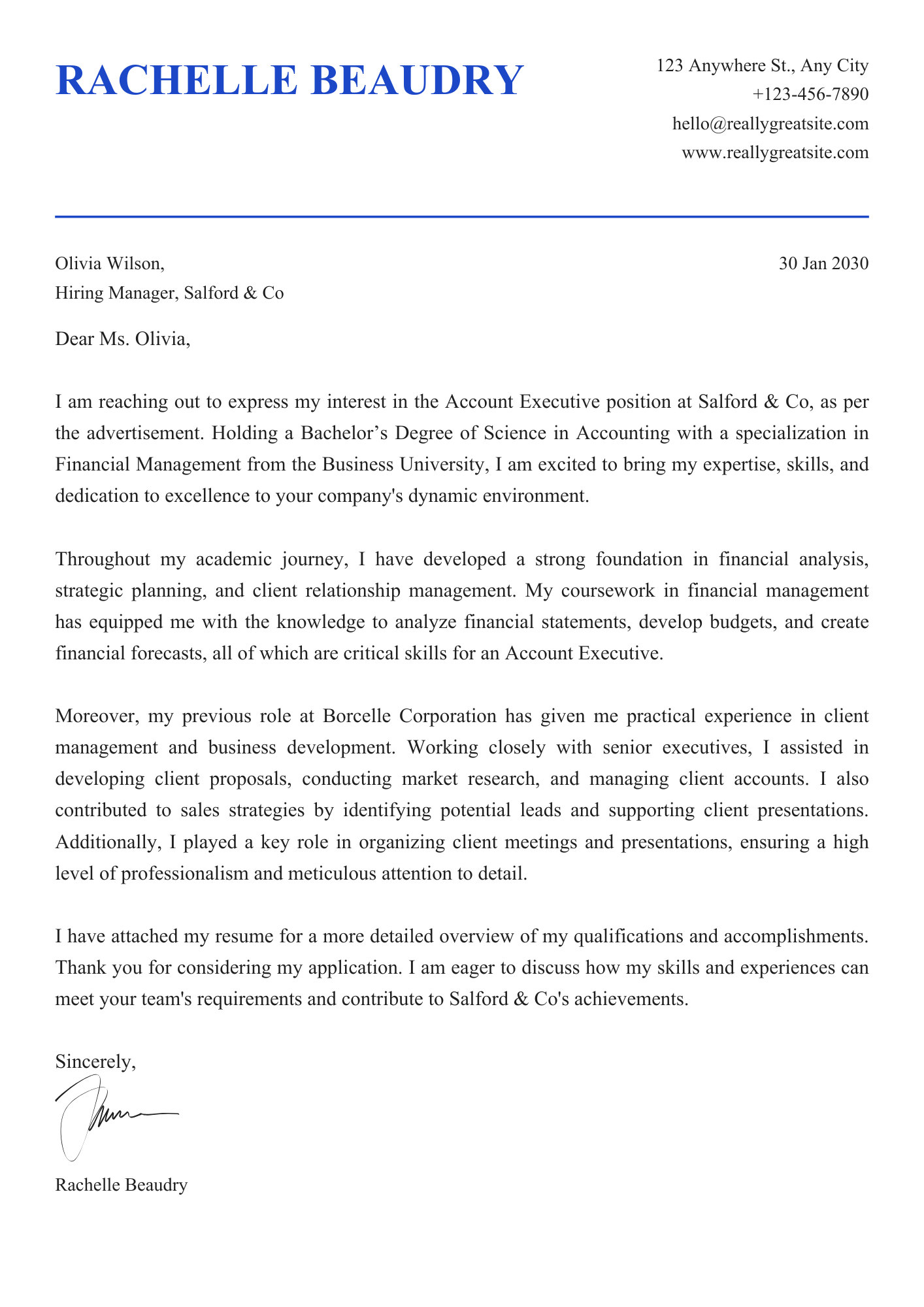
A common misconception is that a cover letter vs resume debate determines which is more important. Resumes present structured achievements, while cover letters provide context and narrative. This is where researchers showcase originality, align goals with the institution’s mission, and highlight the impact of their work.
Institutions like the National Institutes of Health emphasize that the cover letter often decides whether an application reaches full review. Oversharing technical details or underrepresenting accomplishments can cost an interview before the committee even opens your resume. A strategic cover letter presents a compelling story of progression and impact—something a resume alone cannot convey.
Overexplaining vs Underselling: Key Differences
To simplify the balance, here’s a table comparing overexplaining and underselling in research cover letters:
| Aspect | Overexplaining | Underselling |
| Definition | Including excessive technical details, minor results, or every procedural step. | Briefly listing achievements without emphasizing impact or relevance. |
| Impact on Reader | Causes fatigue; main contributions get lost. | Creates ambiguity; reviewers may underestimate your capabilities. |
| Perceived Tone | Insecure, defensive, or overly anxious. | Modest, hesitant, or lacking confidence. |
| Common Pitfalls | Long-winded paragraphs, unnecessary methodology, irrelevant data. | Minimal details, missing metrics, vague descriptions. |
| Best Strategy (Explore more in our guide What Editors Expect From Cover Letters (But Never Say)) | Prioritize relevance; summarize key achievements; quantify outcomes. | Highlight impact; link experience to the role; demonstrate confidence. |
| Example | Detailing every step of a pilot study across several pages. | Listing “assisted in data collection” without context or outcome. |
This table clarifies why both extremes reduce effectiveness. The ideal research cover letter balance is somewhere in between: precise, impactful, and targeted.
Finding the Right Research Cover Letter Balance
Achieving this balance involves combining clarity, conciseness, and strategic emphasis:
- Prioritize relevance: Focus on achievements directly supporting the role. Avoid exhaustive lab logs or generic project lists.
- Quantify impact: Use metrics, publications, or patents to demonstrate tangible results.
- Narrative framing: Show progression—how past research informs current goals.
- Concise language: Keep paragraphs short (2–4 lines); use bullet points for clarity. (Learn How to Reduce Word Count in Academic Papers Without Losing Meaning)
- Strategic emphasis: Place your most impactful results prominently, usually in the first two paragraphs.
For example, instead of describing every step of a longitudinal study, a researcher could write:
"Led a multi-year study examining communication patterns in virtual teams, resulting in three peer-reviewed publications and implementation recommendations for industry partners."
Integrating Soft Skills and Institutional Fit
A cover letter also communicates interpersonal and institutional fit. While technical expertise is critical, hiring panels at research institutes like Corporate Research Associates often value:
- Cross-disciplinary collaboration.
- Leadership in team projects.
- Communication skills for complex scientific concepts.
Embedding these attributes subtly—through examples rather than declarative statements—demonstrates confidence without self-promotion. For instance, instead of stating “I am a great collaborator,” you might write:
"Coordinated a cross-departmental team of six to implement new data-sharing protocols, improving project efficiency by 30%."
Avoiding Language Pitfalls
Language choices can tip the balance unintentionally. Phrases like “I hope this is sufficient” or “I may be suitable” convey hesitancy, underselling your credentials. Conversely, overuse of adjectives like “groundbreaking” or “pioneering” without evidence can seem inflated. A measured tone signals competence and professionalism, aligned with guidelines from the American Medical Association.
Additionally, avoid excessive jargon. While technical specificity is important, a cover letter must be accessible to hiring managers who may not be experts in your niche. Balance authority with clarity.
Leveraging Formatting for Maximum Clarity
The letter boxed answers approach—structuring achievements into digestible sections—can maintain reader engagement:
- Opening paragraph: Clear purpose and alignment with the role.
- Middle sections: Focused paragraphs highlighting core projects, metrics, and outcomes.
- Closing paragraph: Reiterate interest and potential contribution succinctly.
Using bullets judiciously can make key achievements stand out:
- Published 5 peer-reviewed articles in top-tier journals.
- Led cross-functional team initiatives at AMP Research & Development.
- Developed scalable protocols now implemented across partner labs.
Effective formatting isn’t just aesthetic; it enables reviewers to quickly assess your qualifications, especially in high-volume recruitment settings.
Iterative Improvement and Feedback Loops
Even seasoned researchers benefit from feedback. Sharing drafts with colleagues, mentors, or internal editors uncovers areas where overexplaining creeps in or critical achievements are undersold. Platforms like PaperEdit provide targeted revisions to ensure your cover letter maintains the right balance while adhering to ethical standards and academic integrity.
Additionally, reviewing successful examples from top-tier institutes can clarify expectations. Notice how applicants frame impact without overwhelming details and maintain professional tone throughout.
Balancing Innovation and Practical Impact
A cover letter must convey both innovative scope and practical relevance. For instance, a researcher at a research science institute may have developed a novel computational model, but the letter should also explain how it informs real-world applications—whether in policy, corporate R&D, or public health. Demonstrating this dual lens reassures committees that the candidate’s work is both visionary and actionable.
Conclusion: Precision is Power
The art of the research cover letter is precision. Overexplaining dilutes impact; underselling leaves potential untapped. By emphasizing relevance, clarity, and institutional alignment, researchers can achieve the ideal research cover letter balance—a skill that can decisively influence academic and professional trajectories.
Your cover letter is more than a formality; it is the bridge between achievements and opportunities. Mastering this balance maximizes your chance of success in competitive research environments.