


Most students underestimate the strategic value of their coursework. They complete assignments, submit them, and move on—without realizing they’re sitting on the foundation of a powerful academic projects portfolio.
This isn’t about collecting documents. It’s about building intellectual capital.
In a competitive academic environment, your portfolio becomes your proof of work—evidence that you can think, analyze, and produce research-level output. If done right, it positions you ahead of peers who rely only on grades or transcripts.
This guide breaks down how to transform ordinary class projects into a structured, high-impact portfolio that reflects both capability and direction.
Why an Academic Projects Portfolio Defines Your Academic Identity
An academic projects portfolio is no longer optional—it’s a necessity.
Universities, supervisors, and hiring panels are shifting toward evidence-based evaluation. They want to see how you think, not just what you scored.
This is where your portfolio becomes critical:
- It documents your intellectual journey
- It showcases research and writing skills
- It demonstrates consistency and growth
- It supports applications for advanced roles
Frameworks like the academic performance indicator emphasize structured documentation of academic work as a key measure of capability (see Wikipdia's concept of Academic performance).
Without a portfolio, your academic identity remains invisible.
The Shift: From Assignments to Research Assets
The first transformation is psychological.
You must stop treating projects as one-time tasks and start treating them as long-term assets. Every assignment should be approached with the intent to refine and reuse.
This mindset aligns with principles in student academic administration, where academic outputs are tracked, evaluated, and built upon over time.
Instead of asking whether your work meets minimum requirements, focus on whether it can:
- Be expanded into a research paper
- Demonstrate methodological strength
- Reflect a clear academic voice
When your intention changes, your execution follows.
Building a High-Impact Portfolio Folder (With Strategic Structure)
A portfolio folder is not a storage space—it’s a system.
Most students fail here because they dump files without structure. That destroys usability and impact.
To build a strong portfolio, you need organized categorization that mirrors professional systems like application portfolio management (see Wikipdia's concept of Application portfolio management).
Recommended Portfolio Structure
| Section | Purpose | What to Include | Strategic Value |
| Core Projects | Showcase best work | Top 3–5 refined assignments | Demonstrates peak capability |
| Research Methods | Highlight technical skills | Quantitative, qualitative, mixed-method projects | Signals methodological strength |
| Subject Clusters | Show specialization | Projects grouped by discipline | Builds academic identity |
| Draft Evolution | Track progress | Early drafts vs final versions | Shows intellectual growth |
| Experimental Work | Risk-taking projects | Unpublished or exploratory work | Reflects curiosity and initiative |
This structure ensures your portfolio is not only organized but also persuasive.
Converting Class Projects into Research-Ready Work
Most assignments are incomplete research papers.
They lack depth, not potential.
To transform them into portfolio-worthy content, you must upgrade them strategically.
Core Upgrade Areas
- Expand the literature review using credible sources like NCBI
- Strengthen your argument with clearer thesis statements
- Improve methodology clarity and justification
- Add critical analysis instead of descriptive writing
- Refine citations and formatting
Students who aim to become a peer academic leader don’t stop at submission—they refine until their work reaches publication-level quality.
For detailed editing strategies, read Types of Editing in Research Papers which
provides a structured approach to improving clarity and academic tone.
Using Best Portfolio Websites to Build Visibility
A portfolio hidden on your device has zero impact.
You need to make your work visible—and credible.
The best portfolio websites allow you to present your projects in a structured, accessible format that reflects professional standards.
What Your Online Portfolio Must Include
- Concise project summaries
- Clear research objectives
- Methodology highlights
- Key findings and insights
- Downloadable full documents
Global academic ecosystems increasingly support open access and knowledge sharing, as promoted by multiple organizations.
If your work is strong, it deserves to be seen.
Managing Your Portfolio Like a System (Not a Folder)
Here’s where most students plateau—they stop updating.
A strong academic projects portfolio requires continuous management, similar to a portfolio management service used in professional environments.
This includes:
- Regular audits of your projects
- Removing outdated or weak work
- Updating references and data
- Aligning projects with current goals
This reflects principles of central portfolio control, where assets are constantly evaluated and optimized.
To ensure your projects meet research standards, our guide: Paragraph Structure in Academic Writing
can help align your work with academic expectations.
Consistency is what separates a portfolio from a collection.
Aligning Your Portfolio with Career Direction
Random projects create confusion.
Strategic projects create direction.
Your academic projects portfolio should reflect where you’re going—not just where you’ve been.
Career Alignment Questions
- What field am I targeting?
- What problems do I want to solve?
- What skills should my portfolio highlight?
For example, if you’re interested in academic advisor jobs, your portfolio should emphasize:
- Analytical thinking
- Policy understanding
- Student-centered research
To understand this career path better, Wikipedia offers a broader perspective on Academic advising.
Every project should reinforce your intended trajectory.
Tracking Growth Through Academic Performance Indicators
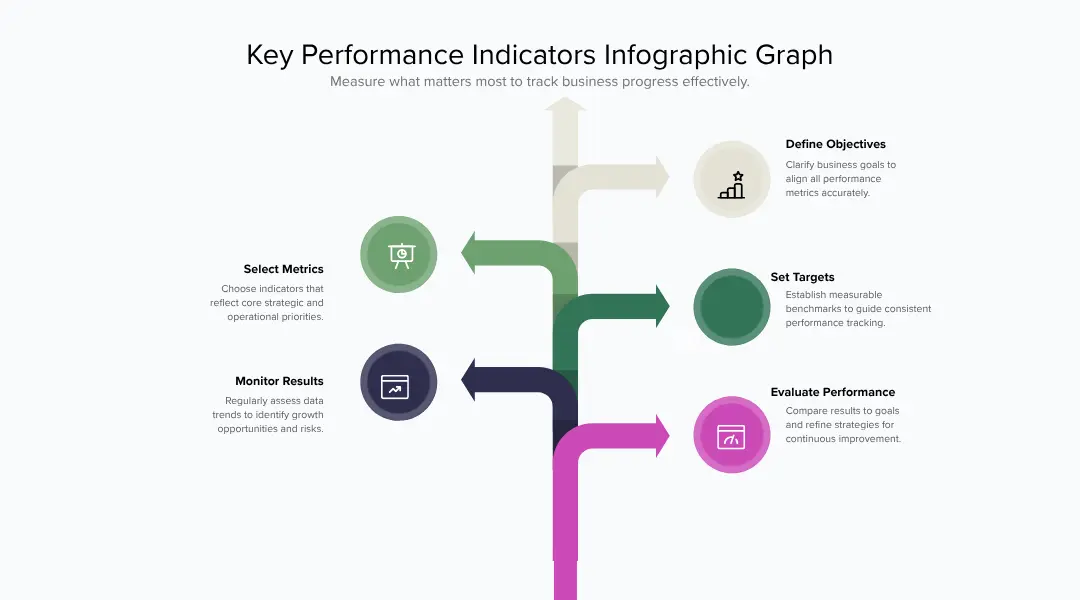
Your portfolio is not just a showcase—it’s a feedback system.
By reviewing your work over time, you can measure your academic performance indicator and identify areas for improvement.
Key Metrics to Evaluate
- Writing clarity and coherence
- Depth of research and sourcing
- Strength of arguments
- Originality of insights
Educational frameworks often emphasize continuous evaluation and improvement.
If your work isn’t improving, your strategy needs adjustment.
Portfolio Recovery: Fixing Weak or Outdated Work
Not all your past projects will meet current standards.
That’s normal.
What matters is whether you improve them—or ignore them.
Portfolio recovery is the process of identifying and upgrading weaker work to meet your current level.
Recovery Strategy Table
| Issue | Common Problem | Fix Strategy | Outcome |
| Weak Argument | Unclear thesis | Rewrite introduction and research question | Stronger narrative |
| Poor Sources | Low-quality references | Replace with peer-reviewed sources | Increased credibility |
| Structural Issues | Disorganized sections | Follow standard research format | Improved readability |
| Lack of Depth | Surface-level analysis | Add critical discussion | Higher academic value |
| Formatting Errors | Inconsistent citations | Apply standard citation style | Professional presentation |
To identify common mistakes, Most Common Mistakes in Research Methodology Sections (And How to Avoid Them) outlines critical issues that weaken academic writing.
Recovery is not optional—it’s part of growth.
Integrating Feedback Like a Researcher
Feedback is one of the most underused academic tools.
Students often read it and move on. That’s a wasted opportunity.
A strong portfolio reflects how well you integrate feedback over time.
How to Use Feedback Effectively
- Revise arguments based on critique
- Strengthen weak sections
- Improve clarity and structure
- Address methodological gaps
Academic systems globally emphasize iterative improvement, as discussed in educational frameworks like Britannica's report on education.
If your work doesn’t evolve, your portfolio loses credibility.
Turning Your Portfolio into Real Opportunities
A well-built academic projects portfolio doesn’t just sit there—it works for you.
It opens doors to:
- Research assistant roles
- Early publication opportunities
- Academic collaborations
- Strong recommendation letters
Your portfolio becomes proof that you can contribute—not just participate.
To move toward publication, our guide: The Difference Between Writing for Graduation vs Writing for Journals helps align your work with suitable journals.
This is how students transition into researchers.
Final Insight: Build Now or Catch Up Later
Your class projects are not temporary tasks—they are long-term assets.
If you ignore them, you lose valuable opportunities.
If you refine and structure them, you build a portfolio that represents your thinking, your growth, and your potential.
An academic projects portfolio is your academic identity in action.
Start building it now—because the students who don’t will eventually realize they have nothing to show.