


Peer reviewers don’t just read your manuscript—they audit it. Every sentence, every claim, every inconsistency becomes a signal. The uncomfortable truth? Most researchers are blind to the very issues reviewers flag instantly.
This is exactly where what reviewers notice after PaperEdit becomes a game-changer. Because the difference isn’t cosmetic—it’s cognitive. Reviewers don’t just see better grammar. They see stronger science, clearer thinking, and reduced friction.
Let’s break down what actually changes—and why you probably never noticed it before.
The Invisible Clarity Shift Reviewers Pick Up Instantly
You might think your paper is “clear enough.” Reviewers disagree.
After structured editing, reviewers notice:
- Reduced sentence ambiguity
- Logical flow between arguments
- Cleaner transitions between sections
These aren’t surface-level fixes. They directly affect how your research is interpreted.
A study highlighted by the National Institutes of Health shows that unclear writing increases reviewer fatigue and negatively impacts perceived research quality. That means even strong findings can be undervalued if the delivery is messy.
PaperEdit-style refinement eliminates that friction.
And here’s the part you miss: clarity feels subjective when you write—but objective when someone else reads.
Argument Strength: The Silent Upgrade
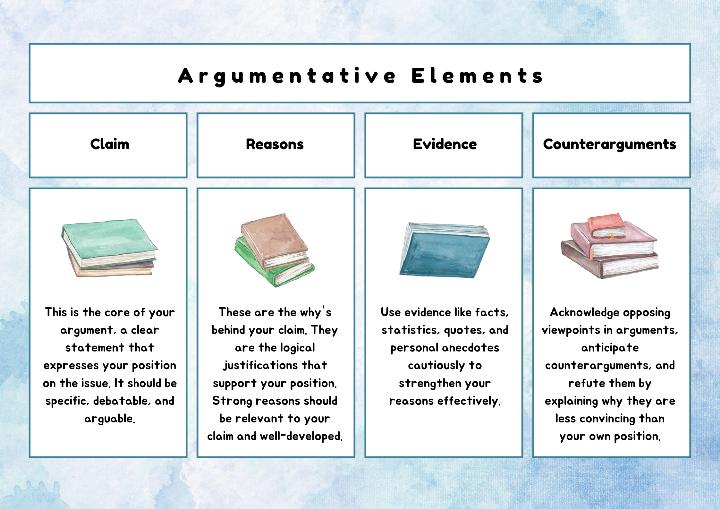
Most authors believe their arguments are already strong.
They’re not.
Reviewers often detect:
- Weak justification of claims
- Missing logical bridges
- Overstated conclusions
After editing, these issues get tightened. Claims become defensible, not just persuasive.
This aligns with guidelines from the Committee on Publication Ethics, which emphasizes that clarity and accuracy in argumentation are central to ethical publishing—not optional extras.
On platforms like Paperedit, this process is treated as structural editing—not proofreading.
That’s the difference between sounding confident and being credible.
Consistency: The Detail Reviewers Always Catch
You may overlook inconsistencies because you already “know” your work.
Reviewers don’t.
They immediately spot:
- Terminology shifts (same concept, different words)
- Inconsistent data references
- Formatting irregularities
After PaperEdit-level editing, consistency becomes airtight.
And consistency isn’t just aesthetic—it signals reliability.
According to editorial standards outlined by the International Committee of Medical Journal Editors, consistency in terminology and reporting is essential for reproducibility.
Reviewers read consistency as discipline. Sloppiness? As risk.
Tone: The Subtle Bias Trigger
Tone is one of the most underrated factors in peer review.
Before editing, your paper might sound:
- Overconfident
- Defensive
- Vague or passive
After editing, reviewers notice:
- Balanced, evidence-backed tone
- Neutral scientific voice
- Precise claims without exaggeration
This matters more than you think.
A Nature editorial analysis noted that exaggerated claims reduce reviewer trust—even when data is valid.
Tone calibration is treated as a credibility tool, not a stylistic preference.
Because reviewers aren’t just judging your data—they’re judging your judgment.
Structure: The Flow That Reduces Reviewer Friction
Reviewers are busy. If your paper is hard to follow, it loses points instantly.
After editing, they notice:
- Logical progression of ideas
- Clear section hierarchy
- Efficient paragraph structure
Before editing, common problems include:
- Redundant explanations
- Disorganized results sections
- Weak discussion flow
After editing, everything aligns.
Think of it this way: structure determines how easily your argument is processed, not just understood.
Resources like Paragraph Structure in Academic Writing focus on optimizing this flow because structure is what determines whether your paper feels “reviewable” or exhausting.
And reviewers reward efficiency.
Language Precision: Where Most Papers Fail Quietly
This is where the gap is brutal.
Most researchers assume grammar fixes are enough. They’re not.
Reviewers notice improvements in:
- Word choice precision
- Elimination of vague phrases
- Reduced redundancy
For example:
- “A significant number of” → replaced with exact data
- “It is important to note that” → removed entirely
According to Wikipedia’s overview of academic writing standards , precision is a defining characteristic of scholarly communication—not a stylistic luxury.
This level of refinement is treated as essential—not optional.
Because vague language signals weak thinking—even when the research is solid.
Reviewer Psychology: The Real Difference You Don’t See
Here’s what no one tells you:
Reviewers don’t evaluate your paper in isolation. They evaluate how easy it is to trust.
After PaperEdit-level refinement, reviewers subconsciously experience:
- Lower cognitive load
- Higher trust in methodology
- Increased willingness to recommend acceptance
This isn’t theory. It’s behavior.
A poorly edited paper forces reviewers to work. A well-edited one lets them evaluate.
That difference changes outcomes.
You can explore similar insights on Understanding the Peer Review Process: How It Works and How to Respond, where reviewer psychology is treated as a strategic factor—not guesswork.
Data Presentation: What Reviewers Notice in Tables and Figures
Your data might be correct—but presentation determines whether it’s convincing.
Before editing, reviewers often struggle with:
- Overloaded tables
- Poor labeling
- Inconsistent figure formatting
After editing, they notice:
- Clean, readable tables
- Logical figure sequencing
- Clear captions that explain—not repeat
This matters because reviewers don’t just verify data—they interpret it quickly.
According to reporting recommendations from global health research bodies like the World Health Organization,, clarity in data presentation is essential for transparency and usability.
In the guide Data Storytelling in Research Papers, visual clarity is treated as part of the scientific argument—not decoration.
Because confusing data equals questionable research—fair or not.
Citations and Referencing: The Credibility Backbone
References are more than formalities. They signal how deeply your work is grounded.
Before editing, common issues include:
- Inconsistent citation styles
- Missing references
- Overcitation or weak sources
After editing, reviewers notice:
- Accurate and consistent formatting
- Strong, relevant source selection
- Proper integration of citations into arguments
This aligns with expectations outlined in academic publishing frameworks globally.
Clean referencing tells reviewers one thing instantly: this author respects the system.
Messy citations? It suggests carelessness.
And in peer review, carelessness is punished.
Redundancy Removal: Why Less Makes You Stronger
Many authors believe more explanation equals more clarity.
Reviewers see it differently.
Before editing, your paper may contain:
- Repeated ideas across sections
- Overexplained concepts
- Unnecessary background detail
After editing, reviewers notice:
- Concise arguments
- Focused discussion
- Stronger impact per paragraph
Redundancy doesn’t just waste space—it dilutes your message.
Editing compresses your thinking into sharper, more effective communication.
And that makes your work feel more advanced—even when the content hasn’t changed.
Logical Cohesion: The Flow Between Ideas
One of the most subtle—but critical—things reviewers notice is cohesion.
Not just structure, but how ideas connect.
Before editing:
- Paragraphs feel isolated
- Arguments jump without transitions
- Conclusions feel disconnected from results
After editing:
- Each section builds naturally on the previous one
- Transitions guide the reader
- The conclusion feels inevitable—not forced
This is where editing transforms a “collection of ideas” into a “coherent argument.”
And reviewers reward coherence with confidence.
Methodology Transparency: The Trust Multiplier
Reviewers are trained to question methods before results.
Before editing, common issues include:
- Vague procedural descriptions
- Missing variables or controls
- Lack of reproducibility clarity
After editing, reviewers notice:
- Step-by-step methodological clarity
- Clearly defined variables and limitations
- Transparent reporting of procedures
Transparency is not optional—it’s a credibility multiplier.
According to global reporting standards emphasized in organizations like the World Health Organization, clear methodological disclosure is essential for scientific validation.
In Most Common Mistakes in Research Methodology Sections (And How to Avoid Them), refining methodology isn’t about adding length—it’s about eliminating ambiguity.
Because unclear methods raise one immediate concern: can this study be trusted?
Ethical Framing: What Reviewers Quietly Evaluate
Ethics isn’t always explicitly stated—but reviewers are always watching.
Before editing, ethical signals may be:
- Implicit or unclear
- Poorly integrated into the text
- Missing contextual justification
After editing, reviewers notice:
- Clear ethical compliance statements
- Proper acknowledgment of limitations
- Responsible interpretation of findings
This aligns with frameworks promoted by the Committee on Publication Ethics, where transparency and accountability are core expectations.
In Ethical Challenges in Multi-Center Research, ethical clarity is positioned as part of the writing—not a separate checkbox.
Because ethical ambiguity is one of the fastest ways to trigger rejection.
Discussion Depth: Where Good Papers Become Strong Papers
The discussion section is where most papers collapse.
Before editing:
- Results are repeated instead of interpreted
- Insights remain surface-level
- Connections to existing literature are weak
After editing, reviewers notice:
- Deep interpretation of findings
- Strong linkage to prior research
- Clear articulation of impact and limitations
This is where your paper proves its value.
Editing sharpens your ability to answer the one question reviewers care about: why does this matter?
The Amplified Effect: Why Small Edits Create Big Perception Shifts
You might think these changes are minor.
They’re not.
In fact, this is where amp reviews, amp review, and even terms like amplified reviews start making sense in a broader context: small refinements compound into major perception shifts.
Even something unrelated like a two weeks notice template teaches the same principle—clarity and structure influence how seriously a document is taken.
Academic writing is no different.
And yes—even a phrase like red notice review reflects how scrutiny intensifies when clarity is missing. The more ambiguous your work, the harsher the interpretation.
Editing doesn’t just fix your paper.
It changes how your paper is judged.
Before vs After PaperEdit: What Actually Changes
Let’s make this concrete.
Before editing:
- Arguments feel intuitive but not fully justified
- Language is technically correct but vague
- Structure exists but lacks flow
- Data is accurate but hard to digest
- Methods feel incomplete or assumed
After editing:
- Arguments are explicit and defensible
- Language is precise and efficient
- Structure guides the reader effortlessly
- Data is clear, impactful, and readable
- Methods are transparent and reproducible
Same research. Different perception.
And in peer review, perception drives decisions.
Why Your Brain Can’t Detect These Issues
You’re too close to your work.
Cognitive bias makes it impossible to:
- Spot your own logical gaps
- Detect unclear phrasing
- Notice structural imbalance
This is called the “curse of knowledge”—you understand your paper so well that you assume others will too.
Reviewers don’t share that context.
That’s why external editing works. It simulates the reviewer’s perspective before submission.
And that’s exactly what PaperEdit-style processes replicate.
The Bottom Line: Reviewers See What You Can’t
When you ask what reviewers notice after PaperEdit, the answer isn’t just “better writing.”
It’s:
- Stronger arguments
- Cleaner logic
- Higher credibility
- Reduced friction
- Clearer methodology
- Ethical transparency
And most importantly:
A paper that feels ready—not risky.
Because in peer review, perception is reality.
You don’t get credit for what you meant.
You get judged on what’s clear.